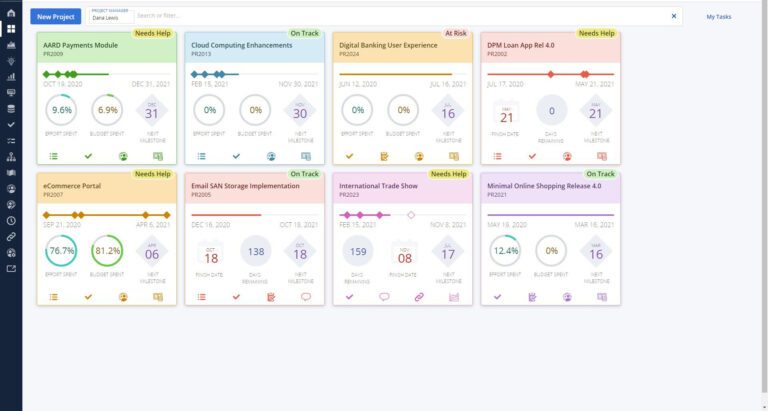
Broadcom's Clarity is the standard in project and portfolio management.

Clarity PPM helps organisations plan from the top down and deliver effectively from the bottom up. This fast-evolving, open and agile solution aligns business and technology objectives, supports strategic scenarios and investment portfolio balancing, communicates action plans and streamlines resources to respond quickly to demand with the right solution.

Clarity PPM Includes All Core PPM Capabilities:

  • Project Management
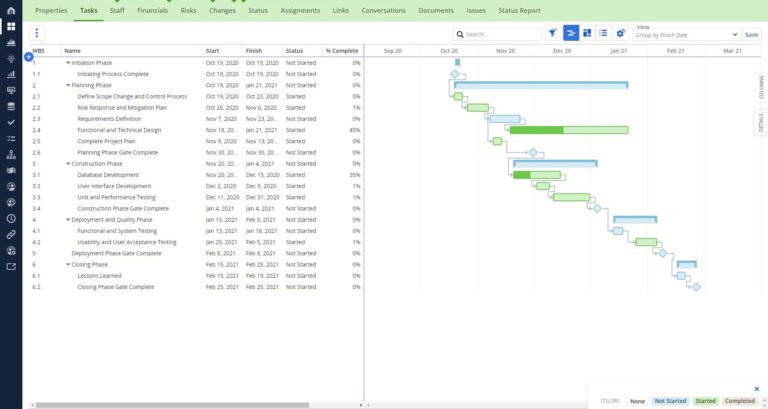
    The tool primarily manages activities such as ideas, projects, services and applications throughout their lifecycle, including standardising their processes. Each main process is supported by processes for managing resources, finances, requirements, releases and more.
  • Project Financial Management
    Project financial management is designed to meet organisations' requirements for detailed financial oversight. The tool supports financial plans covering costs and revenues, as well as budget plans.
  • Risk, Issue and Change Management
    Even the best project plans can be derailed by unexpected risks and unresolved issues. CA Clarity Project Manager gives team members greater control over outcomes by enabling them to manage risks systematically, resolve issues and handle change requests.
  • Resource Management
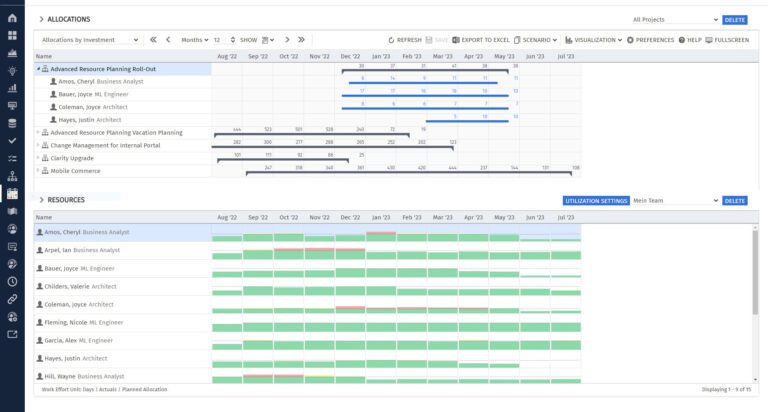
    Clarity PPM Resource Management supports resource planning and management, including tracking the workload of individual resources or roles and actual time usage. Resource management is essential to successful project delivery.
  • Integration and Support for Distributed Organisations
    The collaboration capabilities in CA Clarity™ Core enable project teams to communicate effectively, share knowledge, manage documents and resolve issues.
  • Reports and Portlets
    Clarity PPM is built around providing current, online project data. Overview portlets and dashboards show the required information throughout the project lifecycle, alongside predefined outputs essential for project management.
  • Application Portfolio Management (APM)
    Today's CIOs know better than anyone that growing demands for new technology must be addressed within shrinking budgets. While customer and user expectations rise, budgets, including those for IT, tend to stagnate or decline. What can you do?

Implementation, Operation and Support

We implement and configure CA PPM to suit your organisation. Together, we optimise processes, support effective resource management and provide the necessary training.

app_settings_alt
1. Implementation

We implement and configure CA PPM to meet your organisation's needs and requirements. Together, we focus on process optimisation, system configuration and user training to help you use the tool successfully.

display_settings
2. Operation

After integration into your working environment, the operational stage begins. The tool supports project and portfolio activities, effective resource management, planning and collaboration.

3p
3. Support

IT support helps keep the system running reliably throughout the CA PPM lifecycle. It includes answering questions, resolving requests and providing advice and recommendations. Regular updates and training keep you informed about new capabilities and best practices.

Long-term use of CA PPM as a strategic project and portfolio management tool, and a successful deployment, are the result of the first three closely connected stages. 

4 Steps to Application Portfolio Rationalisation

  • 1. Create an Inventory
  • 2. Set the Criteria
  • 3. Assess Application Value
  • 4. Move Towards the Future State

Before transforming its application portfolio, an organisation needs to know what to transform. The first step is to create an inventory of existing assets:

  1. Appoint an APM programme manager to lead the process within the organisation.
  2. Define what constitutes an application based on its distinct characteristics and requirements.
  3. Analyse all applications currently used within the organisation. It is essential to share important information such as contracts and licences, and use documented application metadata to understand how and where each application is used.

After creating the inventory, the next step is to assess applications against criteria that help establish their value to the business:

Defining Rationalisation Categories
Mapping Applications to Business Processes

Assess Requests Against Key Criteria, Including:

  • Technical Fit
  • Strategic Fit
  • Business Value
  • Costs
  • Sales Potential

Once the criteria are set, assess each application by its impact on the core business, costs and risks.

Assessment Against Key Metrics:

  • application error rates
  • management and maintenance costs
  • availability and its impact on performance
  • processing speed

Map applications according to their value to the core business and user satisfaction.

Understand the risks associated with operating applications, based on their criticality, number of users and overall business value.

In-house Products

Once requirements have been assessed by their impact on the business, the next step is to bring the information together and use it to decide on the future state:

  1. Include all requests in the application portfolio.
  2. Visualise the current application landscape and define the future state to decide whether applications should be retired, replaced or developed further in line with core business needs.
  3. Create a transition plan that accounts for significant changes to technology, users and the business.
  4. Finally, application rationalisation is a continuous process that returns to the first step as the surrounding environment evolves and changes over time.

In-house Add-ons

Our in-house Clarity CA PPM add-ons provide customisable solutions tailored to your needs and processes. Capabilities include extended resource management, improved project tracking and reporting, process automation and integration with other tools and systems.

business
business

Enterprise Risk Management

Enterprise Risk Management
access_time_filled
access_time_filled

Application Register

Application Register
generating_tokens
generating_tokens

Active Directory Connector

Active Directory Connector

Our Customers

CATTA Consulting
CATTA Consulting